

林舒涵2026.10.31
Read Osaka Through Food: From Tamade to Shinsekai
From the origin story of Aizuya Tamade Main Store’s “Radio-yaki” to Shinsekai’s kushikatsu and Kotsuma Nankin, read Osaka’s local memories through its food.
One Name, Opening the Door to Tamade|Aizuya Tamade Main Store
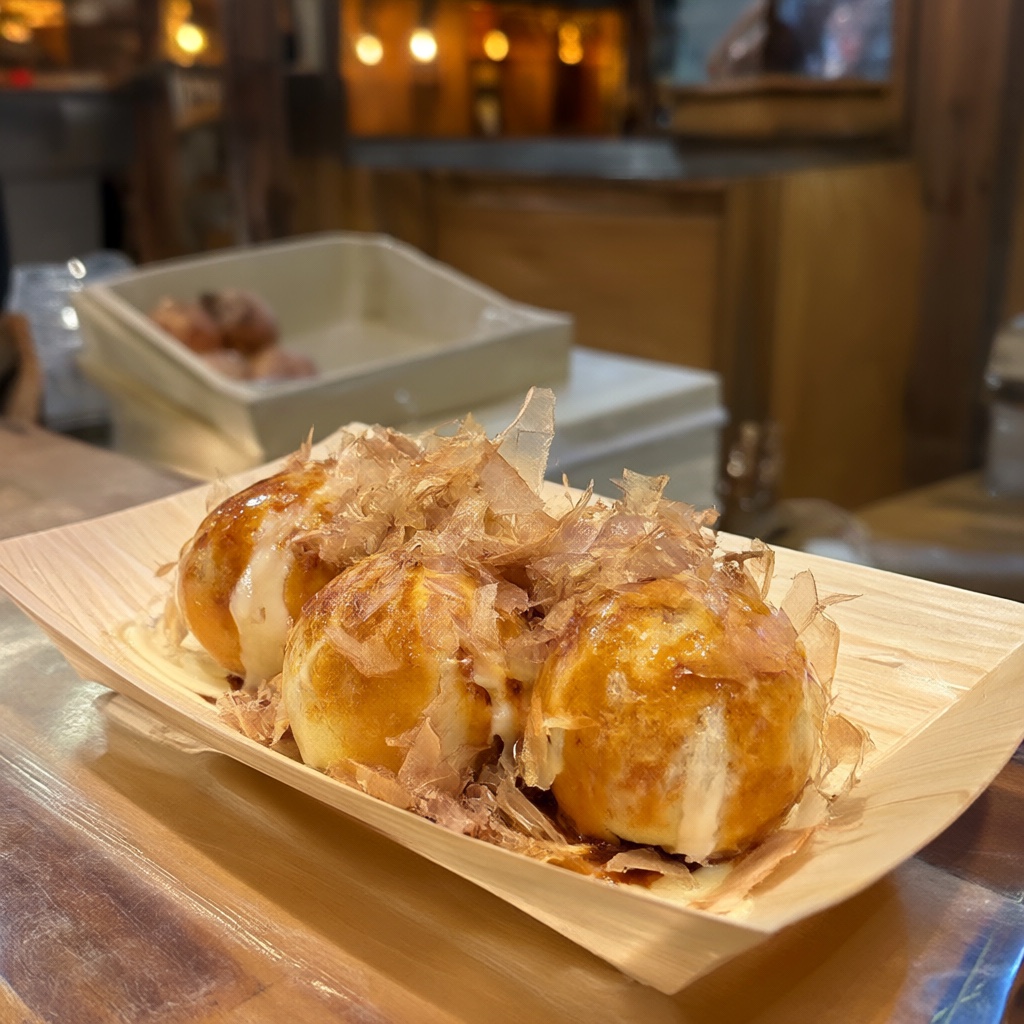
A roughly two-minute walk from Exit 1 of Osaka Metro Tamade Station takes you to the first page of Tamade’s food story. Founded in 1933, the Aizuya Tamade Main Store in Tamade-nishi, Nishinari Ward, is known as the birthplace of takoyaki, with one account tracing its origins to “Radio-yaki.” Information about its opening hours varies by source, so please verify it before setting out.
Vegetables Have Origins Too|Kotsuma Nankin
The history of food is written not only in restaurant names but also hidden in the names of vegetables. Kotsuma Nankin originated in Tamade, formerly Kotsuma Village, and is a traditional vegetable included among the “Naniwa Traditional Vegetables.” It is small, with longitudinal grooves and bumps. A single vegetable gives form to the relationship between Tamade and the former Kotsuma Village.
An Urban Chapter Beneath Tsutenkaku|Shinsekai
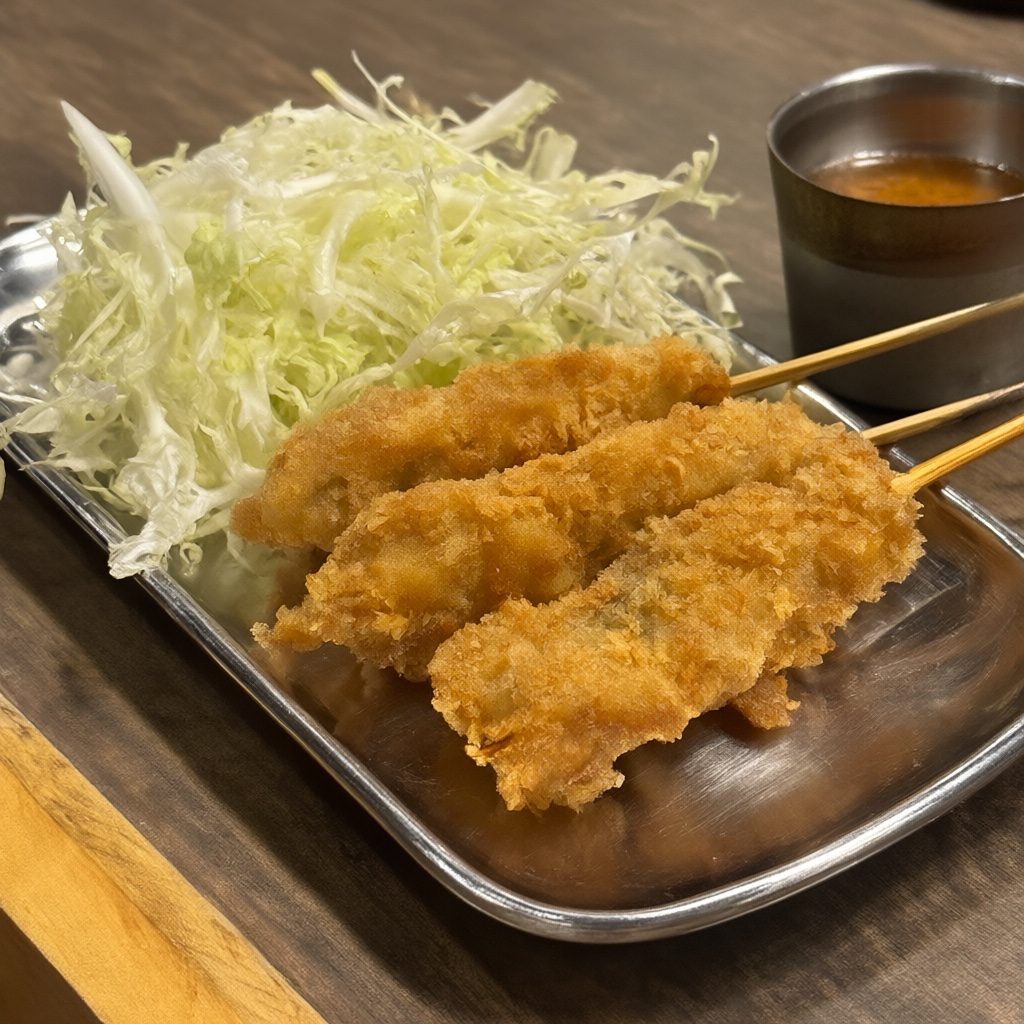
Next, extend the route to Shinsekai. Construction of Shinsekai began in 1912, centered around Tsutenkaku. Janjan Yokocho’s official name is Nanyo-dori Shopping Street, and it is approximately 180 meters long; the name comes from the sounds of shopkeepers in the past welcoming customers with shamisen and taiko drums. The area’s signature food is kushikatsu, and the long-established restaurant Daruma was founded in 1929.
Treating Food as Pages of a Place
From the founding year of Aizuya Tamade Main Store and the account of the origins of “Radio-yaki,” to Shinsekai’s 1912 and the kushikatsu restaurant Daruma, this route is like a local reader that turns from Tamade toward Shinsekai. Kotsuma Nankin brings the text back to the former Kotsuma Village. Here, food is not merely mentioned; it also becomes a clue for understanding place names, neighborhoods, and eras.
Places in this piece
Photos: AI-generated illustrative image
Comments