AI image
Kishinosato-Tamade StationPlaces
An elevated Nankai station in Nishinari Ward, Osaka City, connecting the Nankai Main Line, Koya Line, and Shiomibashi Line.
Start from the stay and see the stations, shops and everyday life nearby.
Drag to explore · tap a photo for its stories
AI imageAn elevated Nankai station in Nishinari Ward, Osaka City, connecting the Nankai Main Line, Koya Line, and Shiomibashi Line.

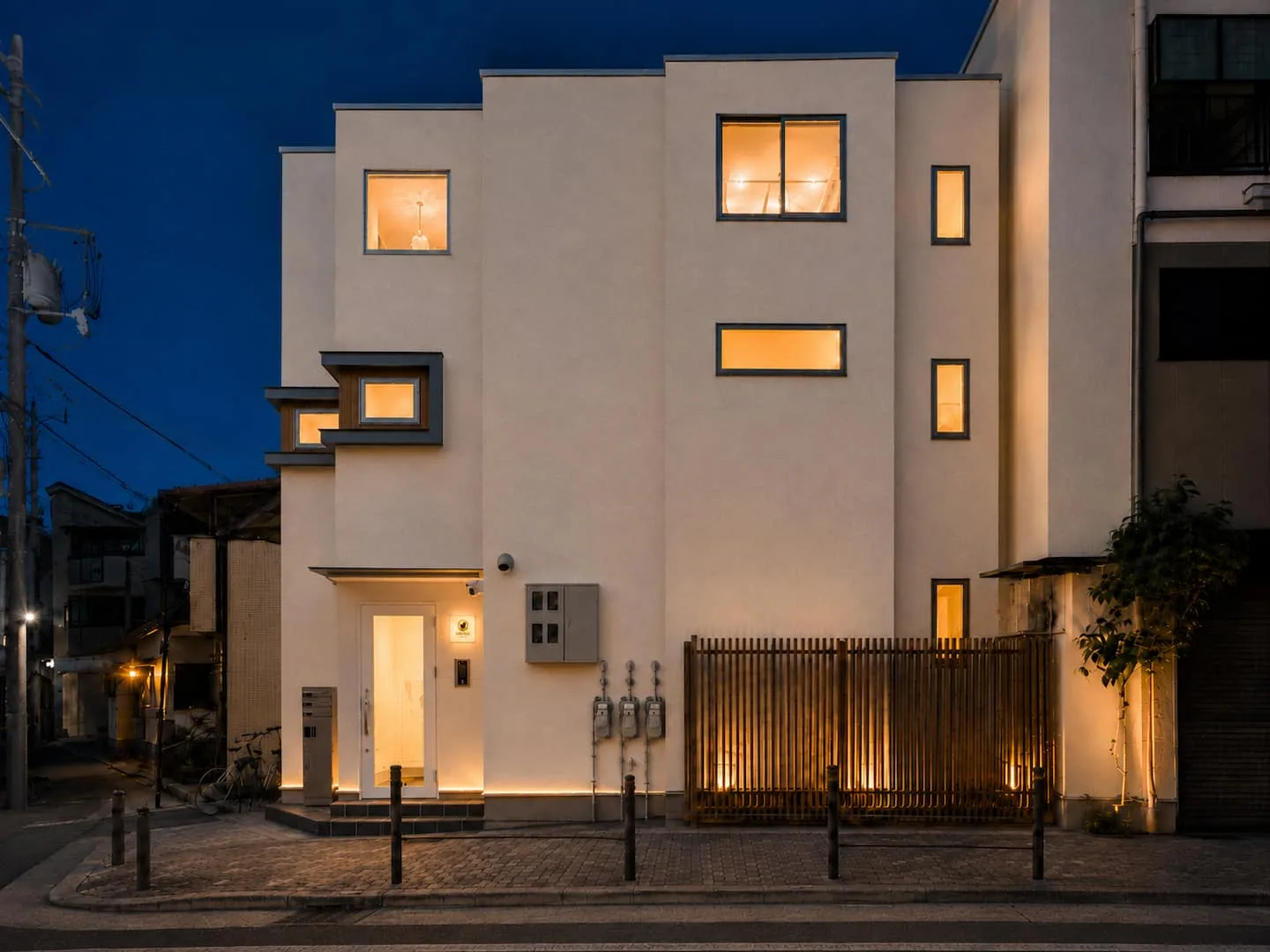
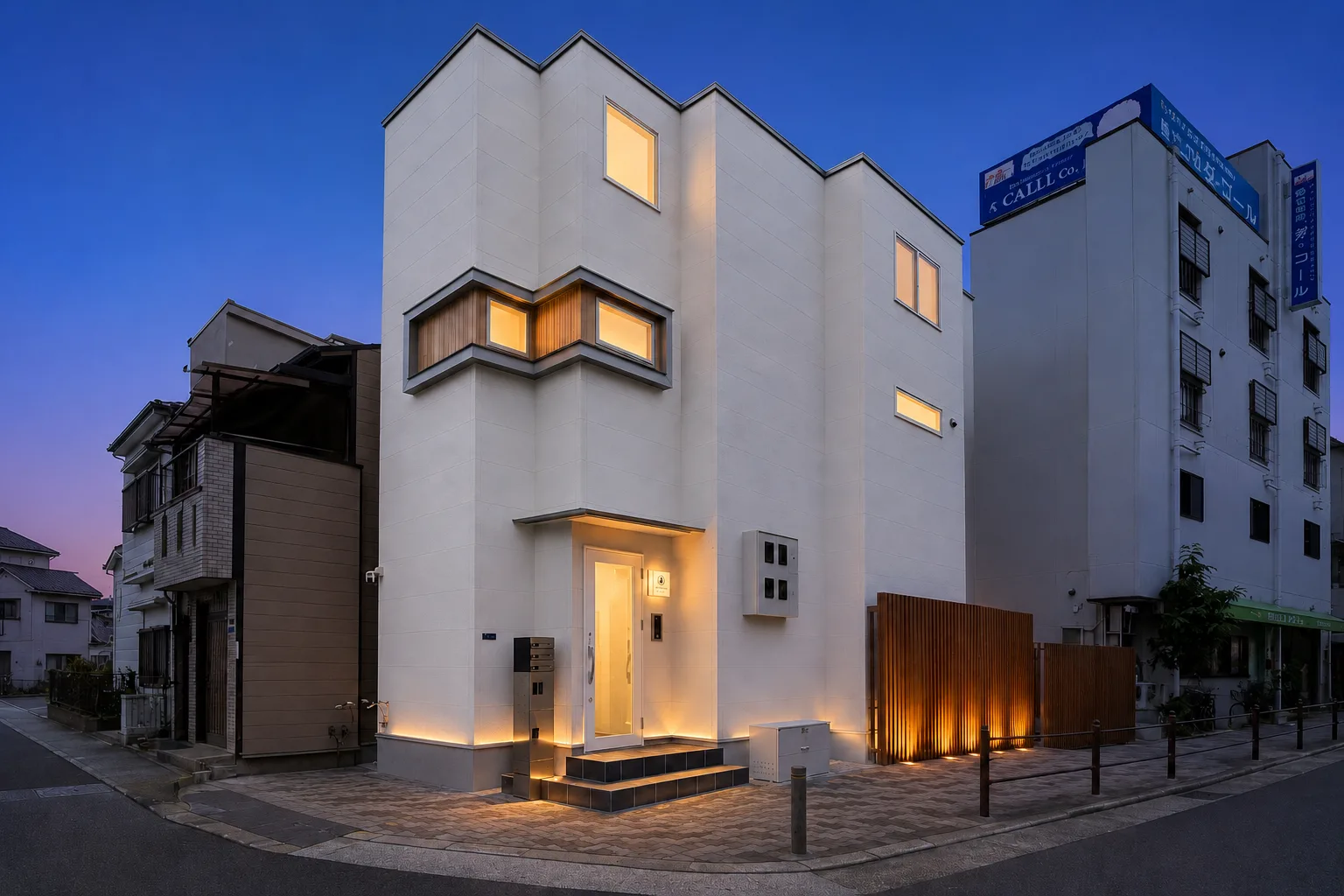
Easy access in about 2 minutes on foot About a 2-minute walk from the station, easily return to your home in Osaka The convenience of travel begins the moment you step out of the station. Libenest Tamade is only about a 2-minute walk from Nankai Electric Railway's "Kishinosato-Tamade Station". Leaving the station and walking through Osaka's quiet residential neighborhood, you will quickly arrive at a warm and comfortable stay space. 2 minutes on foot × Easy check-in Whether you have just arrived in Osaka and are dragging your luggage to check in, or you are finishing a full day of shopping and sightseeing, you do not need to walk long distances, making every departure and return during your trip more relaxed and comfortable. Convenient transportation × Quiet life Located near a Nankai Electric Railway station, easily connect to the highlights of Namba and various parts of Osaka. Enjoy the city's buzz during the day, and return to a comfortable residence away from the noise at night. Find the most comfortable travel rhythm between convenience and tranquility. We believe that a truly comfortable journey is not only about the destination, but also about every movement being calm and free. Libenest|Close to the station, even closer to the warmth of home.

Approx. 2 minutes on foot 2 minutes on foot to explore local gourmet food and convenient living at Tamade Hon-dori Shopping Street Step into Tamade Hon-dori Shopping Street, filled with local Osaka charm. Along the way, you will find convenience stores, unique eateries, and daily necessities shops. It is about a 2-minute walk from the guesthouse, allowing you to easily experience daily life in Osaka, whether for shopping, finding food, or taking a leisurely evening stroll.

Guesthouse is about a 3-5 minute walk A 3-5 minute walk to board a nostalgic tram and explore Osaka Travel is not just about reaching your destination, but also about the scenery worth savoring along the way. From Libenest Tamade guesthouse, it takes about a 3-5 minute walk to reach the Higashi-Tamade stop of the Hankai Tram. Board a tram full of nostalgic charm, wander through Osaka's traditional residential streets, and feel the local lifestyle appeal that differs from bustling commercial districts. 3-5 minute walk × Easy boarding No need for long walks or transferring to other modes of transport. Just take a leisurely 3-5 minute stroll from the guesthouse to board the Hankai Tram and start a slow travel experience full of Osaka character. Nostalgic tram × Local charm The Hankai Tram moves slowly along Osaka's streets, allowing you to enjoy traditional architecture, unique shops, and lively street scenes, experiencing the unique flavor of daily life in Japan. Explore along the line × Cultural strolls Riding the Hankai Line, you can go directly to Eishicho (the Tsutenkaku/Shinsekai area) and also visit the historic Sumiyoshi Taisha and areas along the Sakai city line, exploring the traditional culture and local scenery of southern Osaka. During the day, ride the nostalgic tram to slowly explore Osaka; at night, walk back to the quiet and comfortable Libenest Tamade, letting every journey be filled with ease and composure. Libenest | A 3-5 minute walk to meet a different Osaka.

3 minutes on foot・Open until midnight 12:00 Just a 3-minute walk, enjoy the convenience of shopping at AEON Supermarket From Libenest Tamade guesthouse, it is about a 3-minute walk to MaxValu Supermarket, part of the well-known AEON Group in Japan. The store offers fresh fruits and vegetables, deli bento, bread, beverages, snacks, and various daily necessities, making it very convenient for preparing breakfast, buying ingredients for cooking, or restocking daily supplies during your trip. The supermarket is open until midnight 12:00, so even if you return to the guesthouse late at night, you can shop at your leisure and enjoy a convenient and comfortable local life in Osaka.

Just a 4-5 minute walk from Libenest Tamade guesthouse, you can reach "Sandy," an affordable discount supermarket in Japan. Known for its reasonable prices and high cost-performance, it offers a variety of food, beverages, snacks, frozen foods, and daily necessities, making it a great choice for savvy shopping in the area. Whether you want to buy breakfast, restock snacks for your trip, or prepare ingredients for simple cooking, you can meet your daily needs at friendly prices and experience the money-saving lifestyle of locals in Osaka.

4-5 minutes on foot A Japanese chain drugstore where you can easily stock up on health products and daily necessities From Libenest Tamade guesthouse, it is about a 4-5 minute walk to the Japanese chain drugstore "SEIMS". The store offers regular medicines, health products, skincare cosmetics, personal hygiene products, and various daily necessities, making it easy to buy whatever you need, whether you need to restock supplies during your trip or want to purchase popular Japanese drugstore items. The store is open from 8:30 AM to 9:00 PM and offers prescription acceptance services, making your stay more convenient and reassuring.

3–4 minutes on foot, open 24 hours Osaka's affordable supermarket open 24 hours, satisfying your shopping needs anytime during your trip It is about a 3–4 minute walk from Libenest Tamade guesthouse to the well-known affordable supermarket in Osaka, "Super Tamade." The eye-catching yellow sign is a local characteristic. The store offers fresh produce, deli bento, beverages, snacks, and daily necessities. The most convenient feature is that it is open 24 hours, so whether you arrive late at night, need daily necessities on short notice, or want to buy ingredients for a late-night snack or breakfast, you can shop easily anytime and enjoy convenient and affordable local life in Osaka.
 AI image
Founded in 1933 (Showa 8), it is renowned as the shop where takoyaki originated. Please verify the opening hours in advance.

Convenient Access via Yotsuhashi Line 5–8 minutes on foot, direct subway access to Namba and Umeda Departing from the quiet Tamade neighborhood, easily connect to the best of Osaka. Libenest Tamade is about a 5–8 minute walk to Tamade Station on the Osaka Metro Yotsuhashi Line. In addition to the nearby Kishinosato-Tamade Station on the Nankai Electric Railway, you can use the subway to connect to major commercial districts across Osaka, making your travel more convenient and comfortable. Namba District × Direct Subway Access Ride the Yotsuhashi Line without transfers to reach the bustling Namba Station, where you can easily explore Osaka's gourmet food, shopping malls, and popular attractions. Umeda District × Direct Access, No Transfers Ride the Yotsuhashi Line without transfers to arrive directly at Nishi-Umeda Station. It is a short walk to the Osaka Umeda area, where you can explore department stores, unique restaurants, and cityscapes. Two Railway Options × Flexible Itinerary Planning Whether you take the Nankai Electric Railway to and from Kansai International Airport or use the Osaka Metro to explore the city in depth, you can flexibly choose your mode of transport according to your daily plans. Enjoy the vibrancy of Osaka by day and return to your quiet residence by night, letting convenient transportation and a comfortable life go hand in hand. Libenest | Live in quiet Tamade, explore Osaka with ease. * Actual walking and travel times vary depending on the route and train schedules.
 AI image
A station where the Nankai Line and the Osaka Metro Sakaisuji Line intersect, offering direct access from Kansai International Airport and transfers to the Koya Line.
 AI image
The symbol is Sorihashi (Taikobashi), and there is also a sacred tree that is over 1,000 years old. It is about a 3-minute walk from Sumiyoshitorii-mae Station on the Hankai Tramway. Please check the opening hours in advance.
 AI image
A prefectural park in Suminoe Ward, Osaka City, linking the approach to Sumiyoshi Taisha with the Sumiyoshi Takadoro.
 AI image
Its official name is Nanyo-dori Shopping Street, approximately 180 meters long. The name comes from the sounds of shopkeepers in the past calling out to customers with shamisen and taiko drums.
 AI image
The building is approximately 300 meters high, with the observation deck on floors 58 to 60 and the entrance on the 16th floor, near JR Tennoji Station.
 AI image
A landmark of Shinsekai. Shinsekai began construction in 1912 with Tsutenkaku at its center. Tsutenkaku is about a 3-minute walk from Ebisucho Station on the Hankai Tramway.
 AI image
Founded by Prince Shotoku in 593, it is one of Japan’s oldest state-sponsored temples, with a five-story pagoda and cloisters. It is about a 5-minute walk from Shitennoji-mae Yuhigaoka Station on the Metro Tanimachi Line.
 AI image
A shopping mall directly connected to Nankai Namba Station.
 AI image
A terminal transfer station connecting Kansai International Airport with Osaka's Minami district, and linking to the Nankai Line, Koya Line, and multiple urban routes.
 AI image
A roughly 150-meter street specializing in cooking utensils, with a covered arcade, about a 3-minute walk from Namba Station.
 AI image
Established in Showa 20, with pork buns first sold in 1946. Please verify the business hours in advance.
 AI image
Founded in 1910, it is one of Osaka’s earliest Western-style restaurants. For its signature curry rice, the rice and curry are mixed together before serving, with a raw egg placed on top. Please check the opening hours in advance.
位於大阪市難波地下、連結近鐵與阪神難波線的地下車站,也是前往大阪南區繁華街的重要轉乘據點。
 AI image
An approximately 580-meter shopping arcade with around 150 shops, about a 5-minute walk from Nippombashi Station on the subway. Each shop has different opening hours.
 AI image
The two stone-paved paths within the grounds of Hozenji Temple feature the moss-covered Mizukake Fudo; Meoto Zenzai is associated with a novel by Sakunosuke Oda.
 AI image
An artificial canal whose construction was begun by Yasui Doton in 1612. The first version of the Glico Running Man sign on the south side of Ebisubashi was installed in 1935; the current one is the sixth-generation LED sign, installed in 2014.
 AI image
A roughly 600-meter covered shopping arcade that you can explore even on rainy days.
 AI image
The Pacific Ocean tank is 9 meters deep and holds approximately 5,400 tons of water, and you can see whale sharks. It is about a 5-minute walk from Osakako Station on the Metro Chuo Line. Please check ticket prices and opening hours in advance.
 AI image
Located in the center of Osaka Castle Park, it features stone walls and a moat. It is about a 15 to 18-minute walk from JR Osakajokoen Station, and can also be accessed from Morinomiya, Tanimachi 4-chome, or Temmabashi Stations. Please check the visitor information in advance.
 AI image
Opened in Meiji 24, it is Osaka City’s oldest urban park, located between the Dojima River and Tosabori River. The Osaka City Central Public Hall in the park was completed in Taisho 7 and is an Important Cultural Property.
 AI image
Approximately 173 meters tall, the two skyscrapers are connected at the top, with the Kuchu Teien Observatory located on the 39th and 40th floors and the rooftop. It is about a 7- to 10-minute walk from JR Osaka Station.
 AI image
A cultural tourism facility that introduces the origins of the Kishiwada Danjiri Festival and the history of Kishiwada Domain’s castle town.
 AI image
A castle ruin attraction in Kishiwada City, Osaka Prefecture, featuring a reconstructed keep, stone walls, and the nationally designated Place of Scenic Beauty, Hachijin-no-niwa.
 AI image
One of Japan’s three major Chinatowns, this approximately 270-meter-long east–west district is lined with restaurants and snack shops, with Changan Gate as its landmark.
 AI image
A hillside neighborhood of Western-style houses that developed after the opening of Kobe Port, where the red brick and spire of the Weathercock House stand as its most prominent symbols.
 AI image
A coastal subcenter across from Kansai International Airport, bringing together shopping facilities, parks, landmarks, and a white-sand beach.
 AI image
An outlet mall located across from Kansai International Airport, featuring Charleston-style architecture, brand-name shops, and views of Osaka Bay.
奈良市中心的近畿日本鐵道奈良線終點站,鄰近奈良公園與市街觀光區。
 AI image
A park established in 1880, where wild sacred deer roam the lawns, with Todai-ji Temple, Kofuku-ji Temple, and Kasuga Taisha all within its grounds.
 AI image
An international airport located on an artificial island in Osaka Bay, with Kansai Airport Station shared by Nankai Electric Railway and JR.
 AI image
A UNESCO World Heritage temple in Nara, with a Great Buddha approximately 15 meters tall enshrined in a wooden main hall, and the Great South Gate guarded by statues of the Nio guardians.
 AI image
The head shrine of all Inari shrines in Japan, with vermilion torii gates extending upward along the 233-meter Mount Inari.
 AI image
This bamboo path in Sagano, where the sound of the wind through the bamboo forest was selected as one of Japan’s 100 Soundscapes, can be entered through Tenryu-ji Temple’s side gate and is quieter in the early morning.
 AI image
A World Heritage ancient temple founded in 778, with the stage of its National Treasure main hall built on a mountainside cliff; the temple’s name comes from the pure water of Otowa Waterfall.
 AI image
Kyoto’s “Kitchen,” with a history of about 400 years, is lined with shops selling fresh fish, pickles, yuba, and tofu along Nishikikoji Street.
 AI image
The stone-stepped old street leading to Kiyomizu-dera, with traditional townhouses and souvenir shops lining the slope, was designated a national preservation district in 1976.
 AI image
A World Heritage castle built by Tokugawa Ieyasu in 1603, with the National Treasure Ninomaru Palace, which witnessed the return of political power to the Emperor; its corridors chirp when stepped on.
 AI image
In Gion’s teahouse district, the red walls of Ichiriki-tei stand at the Shijo intersection; after nightfall, lanterns illuminate the stone-paved street leading south to the Kaburenjo Theatre.
 AI image
Kitayama-dono, built by Ashikaga Yoshimitsu, features a gold-leaf-covered Shariden reflected in Kyoko-chi Pond and has continued to this day since its reconstruction in 1955.
 AI image
A shrine founded in 1920, where you enter a forest of approximately 100,000 trees and pass through Japan’s largest wooden Myojin torii.
 AI image
A trendy little street about 350 meters long, across from Harajuku Station, lined with cute clothing, crepes, and purikura photo booths.
 AI image
A Tokyo landmark opened in 1958, standing approximately 333 meters tall, with its orange-and-white tower illuminated at night and observation decks at 150 and 250 meters.
 AI image
A lively food market street that remains bustling even after the wholesale market relocated, where you can buy seafood rice bowls, sushi, tamagoyaki, and kitchenware.
 AI image
A shopping street alongside an elevated railway that grew out of the postwar black market, offering seafood, snacks, clothing, military goods, and more as far as Okachimachi.
 AI image
A park designated in 1873, where museums and a zoo come together, with cherry blossoms in spring, lotus flowers in summer, and autumn foliage; the shores of Shinobazu Pond are ideal for a stroll.
 AI image
Tokyo’s oldest Buddhist temple, said to date back to 628, lies beyond Kaminarimon’s giant lantern; walk along Nakamise-dori toward the main hall.
 AI image
A 634-meter self-supporting radio tower that opened in 2012, with observation decks at 350 and 450 meters offering views of Tokyo.
 AI image
A designated national historic site of castle ruins located in central Fukuoka City, preserving stone walls, turret gates, the castle tower foundation, and the ruins of Korokan.
 AI image
Standing in Momochihama, this 234-meter radio tower offers 360-degree views of Fukuoka city and Hakata Bay from its 123-meter observation room.
Stay along this map and get closer to everyday life here.
Osaka · Kishinosato-Tamade Station
Up to 3 guests
Osaka · Kishinosato-Tamade Station
Up to 4 guests